 CKreative EventsJournalPlan Your Event
A professional wedding DJ and MC does far more than play songs and announce names. The role is to prepare the music, understand the timeline, communicate with the people running the event, guide guests through key moments, and adjust when the room needs something different from the original plan.
That combination of preparation and awareness is what separates a playlist from a professionally supported reception. The best work often feels almost invisible: the right song begins when it should, the microphone is ready before the toast, and guests understand what is happening without the MC interrupting the atmosphere.
The DJ and MC roles are connected, but different.
The DJ shapes the musical experience. The MC gives the event a clear voice. At many weddings one professional performs both roles, while larger or more involved celebrations may benefit from dedicated support.
The DJ is responsible for musical direction.
Musical direction includes more than selecting popular songs. It means understanding the couple's preferences, protecting do-not-play choices, preparing formal songs, creating appropriate energy for each phase, and responding to the guests who are actually in the room.
A thoughtful DJ moves between generations and styles without making the reception sound disconnected. That may mean knowing when to let a song breathe, when to change direction, and when the dance floor needs familiarity rather than novelty.
The MC is responsible for clarity and flow.
The MC introduces the wedding party, welcomes guests, coordinates formal dances, presents speakers, communicates meal or room transitions, and makes essential announcements. The goal is not constant talking. It is confident communication at the moments when the room needs direction.
Much of the work happens before the wedding.
Before the first guest arrives, a DJ and MC should understand the event's structure. Useful planning information includes:
- The venue, room layout, access details, and load-in expectations
- The names and preferred pronunciations for introductions
- Formal songs and the exact versions to be used
- The order of entrances, dances, toasts, dinner, traditions, and special moments
- Must-play, play-if-possible, and do-not-play preferences
- The couple's comfort level with requests and guest participation
- Who can approve a timing change if the schedule moves
This preparation reduces uncertainty. It also gives the DJ enough context to make good decisions when the event does not follow the timeline exactly, which is common and usually manageable.
On the wedding day, coordination protects the experience.
The DJ and MC do not work in isolation. They coordinate with the venue team, planner or coordinator, photographer, videographer, catering lead, and the people giving speeches. A toast should not begin while a photographer is changing equipment or a speaker is outside the room. A formal dance should not be announced before the couple is ready.
Small check-ins help the vendor team stay aligned without involving the couple in every operational detail. This is one reason timeline awareness matters as much as musical knowledge.
Reading the room is an active process.
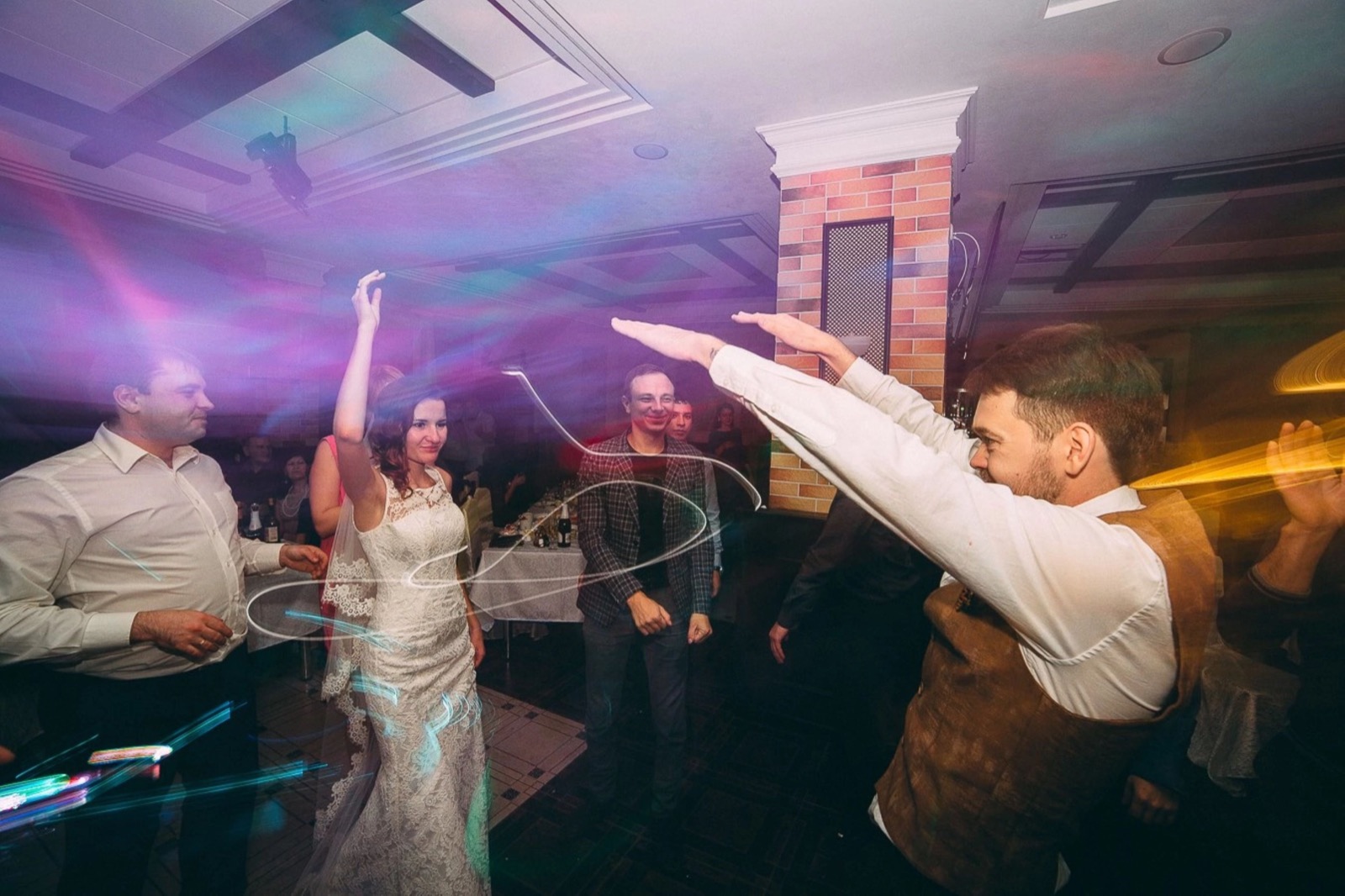
No planning form can fully predict how guests will respond. A professional DJ watches the room: who is dancing, which age groups are engaged, how quickly energy is building, and whether a musical direction is connecting. Requests can be useful information, but they still need to fit the couple's preferences and the wider room.
Reading the room also means recognizing when not to push. Guests may need time after dinner. A packed dance floor may not need a dramatic transition. The best decision is often the one that preserves momentum.
Professional sound and backup planning matter.
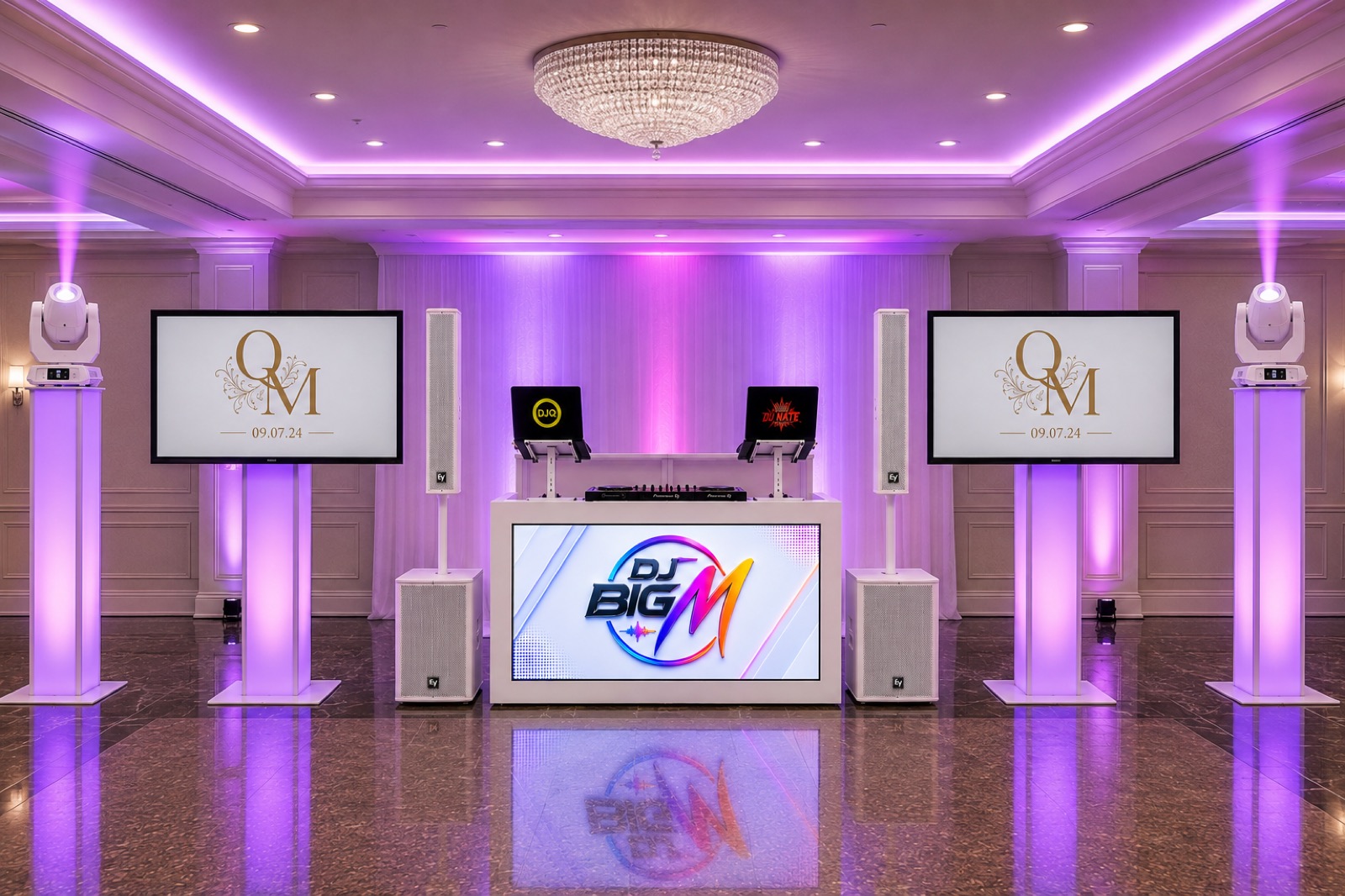
Clear announcements and balanced music depend on equipment that suits the room. Coverage should account for the reception space, guest count, ceremony or cocktail areas, microphone needs, power access, and venue restrictions. Equipment alone does not create a good event, but reliable setup and sensible backup planning protect the moments that cannot be repeated.
Questions to ask before choosing your DJ and MC.
- How do you learn our music preferences without relying on a rigid playlist?
- How do you prepare names, introductions, and formal moments?
- How do you coordinate with the planner, venue, photographer, and catering team?
- What happens if the timeline changes?
- How do you handle guest requests and do-not-play songs?
- What sound, microphone, and backup equipment is included?
- Who will actually be the DJ and MC at our wedding?
The answers should feel clear and specific. You are hiring both a creative partner and someone responsible for several live transitions throughout the reception.
Planning a Connecticut wedding?
Choose support that fits the way your day will unfold.
CKreative Events provides wedding DJ, MC, sound, music direction, and lighting support from Bristol to surrounding Connecticut communities.