 CKreative EventsJournalPlan Your Event
The best wedding reception timeline is not the one with the most detail. It is the one that keeps the important people informed, places formal moments in a sensible order, and allows the celebration to change pace without feeling rushed.
Music and MC support connect that timeline to the room. Guests do not see the schedule. They experience a series of cues: a change in music, a welcome, an introduction, a pause for a toast, or an invitation to the dance floor.
Begin with the fixed points.
Some parts of the reception have less flexibility than others. Venue access, meal service, room turnover, end time, photography coverage, and transportation may determine the larger shape of the evening. Ask the venue and planner which times truly cannot move.
Once those anchors are clear, place the couple's priorities around them. If sunset portraits matter, protect that window. If the couple wants a long dance party, avoid spreading formal moments throughout the entire evening.
A practical reception sequence.
Every wedding is different, but the following sequence creates a useful starting point.
1. Guest arrival and cocktail hour
Cocktail-hour music should establish the atmosphere without spending the evening's highest-energy material too early. This is also when the DJ or MC confirms final details with the coordinator, venue, photographer, and wedding party.
2. Room opening and wedding-party introductions
Guests need a clear invitation to find their seats before introductions begin. The MC should verify that everyone being introduced is present, lined up in the right order, and comfortable with the names and pronunciations.
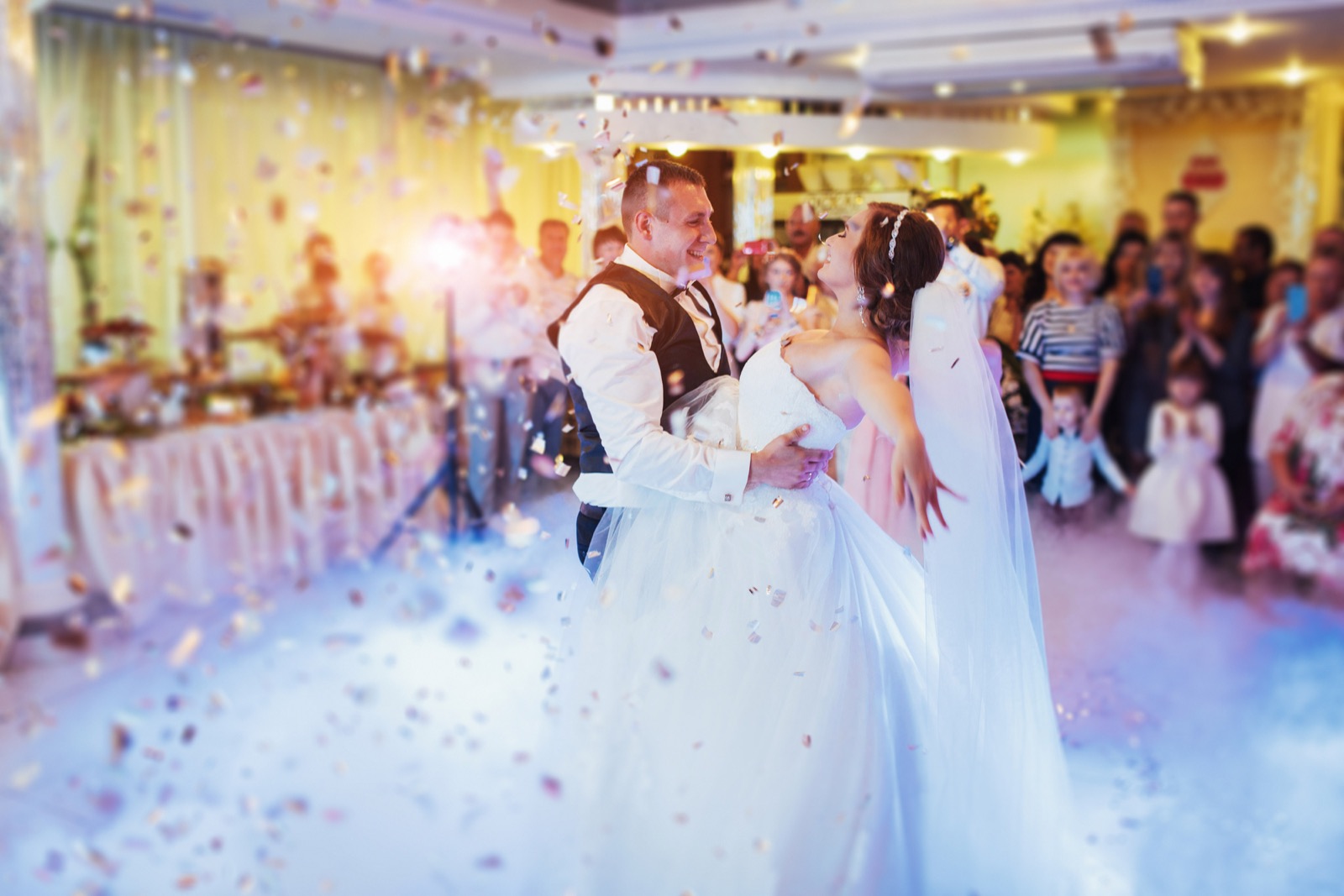
3. First dance or welcome
Some couples move directly from introductions into the first dance because everyone is already standing and focused. Others prefer a brief welcome or begin dinner first. Both approaches can work; the best choice depends on the room layout, meal plan, and desired pace.
4. Dinner and toasts
Coordinate toast timing with catering. Speakers should have access to the microphone before they are announced, and the photographer and videographer should be ready. Avoid placing every speech back-to-back if there are many speakers; attention and food service both matter.
5. Parent dances and traditions
Formal dances can happen before dinner, between courses, or after the meal. Grouping related moments often feels smoother than reopening the dance floor repeatedly. Traditions should be included because they mean something to the couple, not merely because they appear on a standard worksheet.
6. Open dancing
When the dance floor opens, give it a chance to build. Interrupting early momentum for several additional formalities can make guests uncertain about whether the party has truly started. If possible, complete most formal moments first and allow a sustained stretch of dancing.
7. Final song and departure
The final portion needs a plan too. Confirm whether the venue requires a hard stop, whether transportation is waiting, and whether a private last dance or send-off changes the final announcement.
Build transitions into the timeline.
A schedule that lists only major moments misses the work between them. Allow time for guests to sit, the wedding party to line up, speakers to move into position, plates to clear, or the photographer to change locations. These transitions are short, but they determine whether the event feels calm or hurried.
The MC can make transitions clear without narrating every movement. Often one concise announcement, supported by the right music change, is enough.
Choose one decision-maker for timing changes.
Reception timelines move. Portraits may take longer, dinner may run early, or a speaker may need additional time. Decide in advance who can approve adjustments: usually the planner, coordinator, or a designated point person who understands the couple's priorities.
This protects the couple from being asked operational questions throughout the celebration and prevents several vendors from making independent timing decisions.
Prepare the music by moment.
A useful music plan is organized around purpose:
- Guest arrival and cocktail atmosphere
- Wedding-party and couple introductions
- First dance and parent dances
- Dinner background music
- Cake, cultural traditions, or special presentations
- Open-dance priorities, must-plays, and do-not-plays
- The final song or private last dance
You do not need to select every song. Give the DJ enough direction to understand your taste, the songs with personal meaning, and the boundaries that should be respected.
A final timeline check one week before the wedding.
- Confirm names, pronunciations, introduction order, and formal songs.
- Confirm who has the authority to change timing.
- Share the latest timeline with the DJ, venue, planner, photographer, videographer, and catering lead.
- Identify moments requiring a microphone or special audio connection.
- Verify the final song, venue end time, and departure plan.
- Leave reasonable transition space rather than scheduling every minute.
A clear timeline should create confidence, not pressure. Once the vendor team understands the plan, the couple should be able to experience the reception rather than manage it.
Shape the evening
Planning should support the celebration, not compete with it.
CKreative Events brings DJ music direction, MC hosting, sound, and lighting together around the timeline and atmosphere you want.