 CKreative EventsJournalPlan Your Event
Professional event-planning support in Connecticut can range from about $750 for limited consulting or small-event help to $15,000 or more for full-service wedding planning and design. Most clients can use three practical starting points: $1,500–$3,500 for coordination, $3,500–$8,000 for partial planning, and $8,000–$15,000+ for comprehensive planning.
The range is wide because “event planner” can describe very different responsibilities. One client may need a professional to review the final timeline and manage vendors on event day. Another may need months of venue research, budgeting, design, vendor sourcing, guest logistics, entertainment, lighting, audiovisual production, equipment recommendations, and on-site leadership.
Average event planner cost in Connecticut by service level
| Service | Typical Connecticut range | Best suited for |
|---|---|---|
| Planning consultation | $125–$500 | Budget review, vendor guidance, troubleshooting, system design or a focused strategy session. |
| Hourly planning support | $75–$250 per hour | Selected tasks while you remain the primary planner. |
| Day-of or month-of coordination | $1,500–$3,500 | Clients who planned the event and need timeline review, vendor confirmation and event-day management. |
| Partial planning | $3,500–$8,000 | Clients who need help finishing logistics, vendors, design, entertainment or production. |
| Full-service wedding planning | $8,000–$15,000+ | End-to-end planning, design, vendor management, budgeting, guest experience and execution. |
| Corporate or private event planning | $750–$5,000+ | Meetings, celebrations, launches, nonprofit events and business functions; complex events are quoted individually. |
These figures represent planning fees—not the complete event budget. Venue rental, catering, rentals, décor, entertainment, photography, video, sound, lighting, staging, security, permits, transportation, staffing, taxes and gratuities are usually separate.
What each planning package usually includes
Day-of or month-of coordination
Despite the familiar “day-of” name, a capable coordinator rarely begins on the morning of the event. Most need several weeks to review contracts, learn the vendor team, refine the timeline, confirm arrivals, study the floor plan and prepare contingency plans. On event day, the coordinator becomes the central point of communication so the host, couple or organization can remain present.
Partial planning
Partial planning fits clients who have secured a venue or several major vendors but need experienced help finishing the event. The planner may source selected vendors, refine the budget, coordinate rentals, shape entertainment and lighting, manage guest logistics or take over parts of the process that have become overwhelming. Compare exact deliverables because “partial” means something different to every company.
Full-service planning and design
Full-service planners participate from early strategy through final breakdown. Services may include budget development, venue selection, vendor sourcing, contract tracking, visual direction, guest details, transportation, entertainment coordination, technical production and event-day leadership. Published Connecticut starting prices range from budget-conscious packages around $3,500 to $10,000–$13,000+ for established full-service teams.
Wedding, corporate and private-event pricing can differ
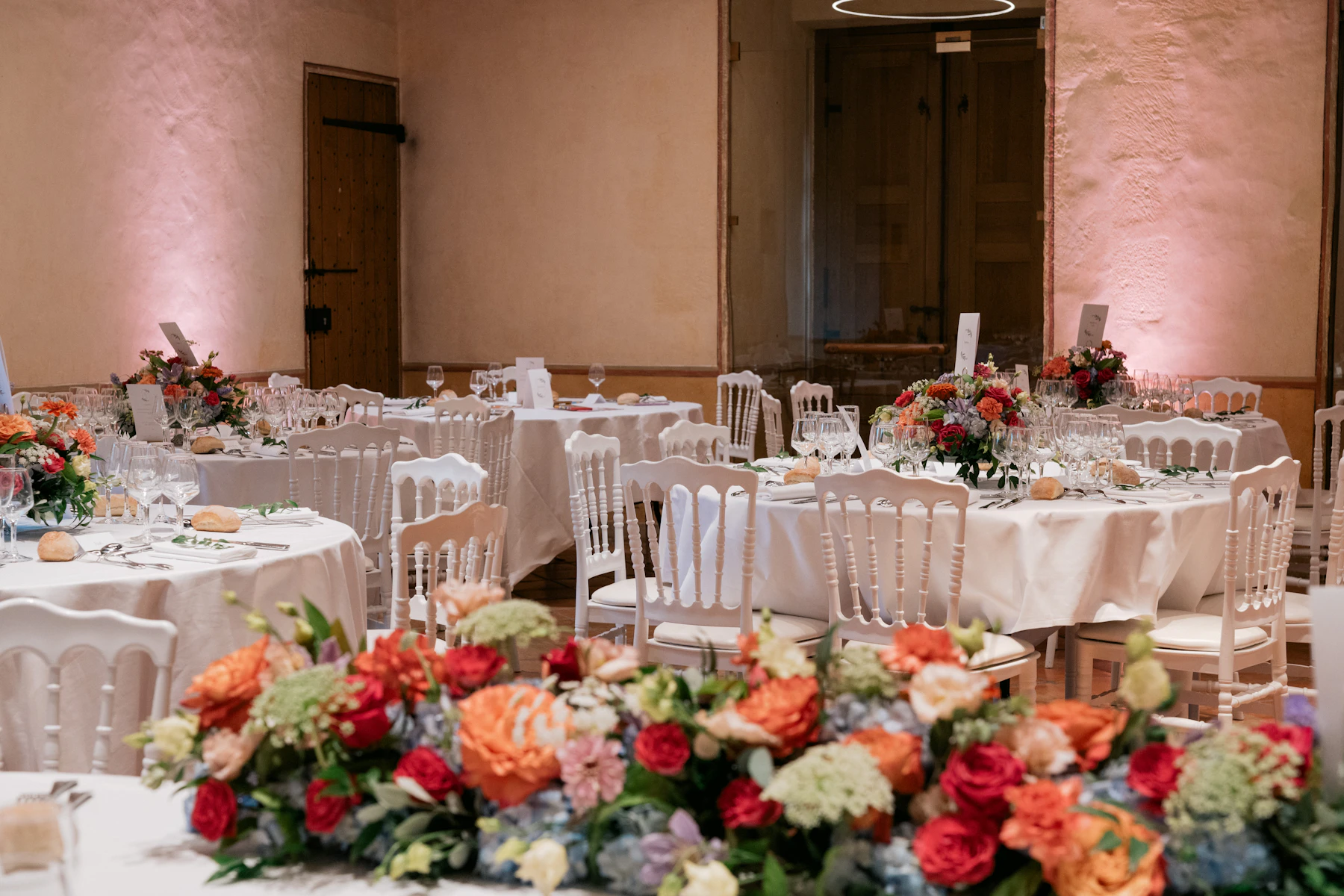
Wedding-planning fees often increase with the length of the engagement, guest count, design expectations, number of vendors and emotional importance of the day. Multi-day cultural weddings, tented properties, private homes and highly customized designs require more planning time and staffing.
Corporate, nonprofit, church and private social events may use a project fee, hourly engagement, day rate or percentage-based management fee. A conference, gala, fundraiser or launch may also require registration, presentations, branding, sponsor deliverables, stage management, audio, lighting, video, livestreaming, cue sheets and technicians. In these cases, production complexity may matter more than guest count.
What changes an event planner’s price?
- Service level: consultation, coordination, partial planning, full planning, design or production management.
- Guest count: more guests generally require more communication, seating, staffing and logistics.
- Location: Fairfield County, shoreline destinations, remote properties and multi-location events may carry higher travel or labor costs.
- Venue complexity: raw spaces, private homes, tents and outdoor sites require more planning.
- Vendor count: every contract, delivery window and dependency adds coordination work.
- Entertainment and production: DJ/MC services, sound, lighting, video, staging, presentations and power planning often require specialists.
- Event duration: rehearsals, early setup, multi-day schedules and late breakdown increase staffing hours.
- Planning timeline: short lead times concentrate the work and can reduce vendor options.
Connecticut is not one uniform market. A hotel meeting in Hartford, waterfront reception near Mystic, gala in New Haven, private celebration in Litchfield County and luxury wedding in Greenwich can involve very different venue rules, vendor rates and technical requirements.
Planning an event in Connecticut?
Build the entertainment and production plan before small gaps become expensive changes.
CKreative Events can help define the event flow, DJ and MC needs, lighting, audiovisual systems, equipment purchases and on-site production support.
What should be included in the planning fee?
- A defined planning period and communication process
- The number and type of meetings or venue walkthroughs
- Budget creation or tracking responsibilities
- Vendor recommendations, contracting support and communications
- Timeline, floor-plan and run-of-show development
- Design, décor, entertainment and production responsibilities
- Rehearsal, setup, event-day and breakdown coverage
- The number of planners, assistants or technicians present
- Emergency and contingency planning
Common expenses that may not be included
- Venue, catering, bar service, rentals, florals and entertainment
- Audio equipment, staging, lighting, technicians and livestream platforms
- Printing, signage, registration tools and guest communications
- Travel, lodging, parking, shipping, overtime and holiday surcharges
- Security, setup, cleanup, registration or coat-check staff
- Taxes, service charges, insurance, permits and credit-card fees
How to budget without overspending
- Set the complete event budget before selecting a planning package.
- List the decisions already made and the work that remains.
- Identify the areas where mistakes or delays would cost the most.
- Request itemized proposals with inclusions, exclusions, staffing and overtime terms.
- Compare responsibility and deliverables—not only the lowest price.
- Reserve part of the budget for weather, rush orders, vendor changes and technical backup.
- Bring the entertainment and technical team into the conversation early.
A focused consultation early in the process can prevent expensive corrections later. This is especially useful when a venue needs a new sound system, lighting package, video setup or permanent equipment purchase. A recommendation should account for room size, audience, power, signal flow, installation, training, maintenance and future use—not simply provide a shopping list.
Questions to ask before hiring a Connecticut event planner
- What exactly is included, and what creates an additional fee?
- When does your involvement begin?
- Who will lead our project and attend the event?
- How many on-site hours and assistants are included?
- Do you receive commissions, referral fees or equipment markups?
- How do you handle weather, vendor failures and schedule changes?
- Can you coordinate DJ/MC, sound, lighting, presentation and video teams?
- How are payments scheduled, and what is refundable?
- Can we review a sample timeline or run of show?
The best proposal should make the event clearer, not create pressure. It should connect the price to a defined scope, explain responsibility and show that the planner understands the experience you want to create.
Frequently asked questions
Connecticut event planner pricing FAQ
How much is a day-of event coordinator in Connecticut?
A realistic range is approximately $1,500–$3,500 for wedding or private-event coordination. Ask when planning begins, how many meetings and on-site hours are included, and whether assistants cost extra.
How much does a full-service wedding planner cost?
Full-service wedding planning commonly ranges from about $8,000–$15,000+ in Connecticut. Highly designed, multi-day or logistically complex celebrations can cost more.
Do event planners charge hourly or a flat fee?
Both are common. Focused consulting may be hourly, while coordination, partial planning and full-service planning usually use flat-fee packages. Complex events may use project fees or percentage-based pricing.
Is an event planner included with the venue?
Usually not. The venue coordinator primarily manages the venue’s responsibilities. An independent planner manages the complete event and represents the client’s priorities.
How early should I hire an event planner?
For a large wedding or complex event, 9–18 months is common. Partial planning may begin 4–9 months out, while month-of coordination often begins 6–12 weeks before the date.
Plan with confidence
Turn the event idea into a clear, workable plan.
Tell CKreative Events about your date, venue, guest count and the areas that still feel uncertain. We can help with planning, DJ and MC services, lighting, audiovisual production, system installation and equipment recommendations.